



How Durable Are Injection Moulded Parts?
A guide to strength, wear, impact, heat, chemicals and long-term performance in injection moulded plastic parts.
Injection moulded parts can be highly durable when the material, design, tooling and production process match the application. Durability depends on load, impact, heat, chemical exposure, UV exposure, wall thickness, ribs, fixings and quality control.
Introduction
A guide to strength, wear, impact, heat, chemicals and long-term performance in injection moulded plastic parts.
Durability starts with the application
A durable plastic part is one that is designed for its real working conditions. A part used outdoors, near chemicals, under load or around heat will need a different material and design from a decorative indoor component.
Material selection is critical
Engineering polymers, filled materials and specialist additives can improve strength, stiffness, wear resistance, flame retardancy, UV stability or chemical resistance. Choosing the wrong material can shorten the life of the part even if the tool is well made.
Design affects strength
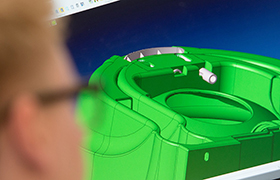
Wall thickness, ribs, bosses, fixing points, weld lines and sharp corners all affect how a part performs. Design for manufacture helps balance strength, mouldability, cycle time and cost.
Process and quality control matter
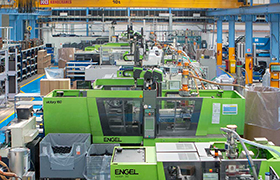
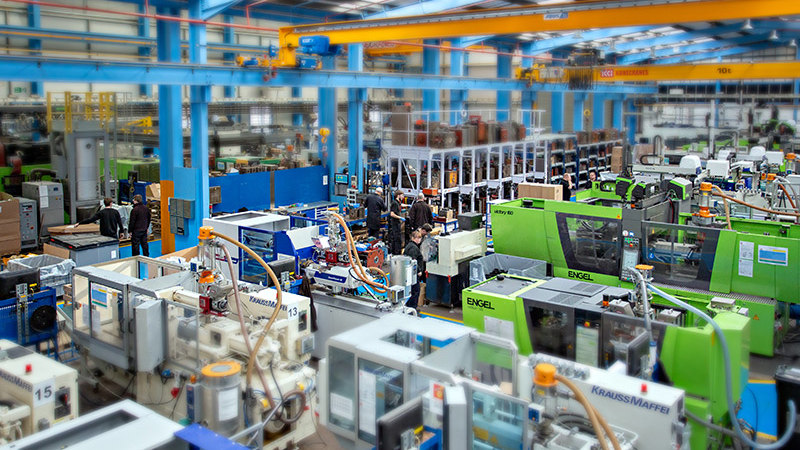
A well-controlled process supports consistent performance. Rutland Plastics uses ISO-certified systems and traceability to support repeatable production. Inspection and measurement can be matched to the demands of the component.
Testing before production
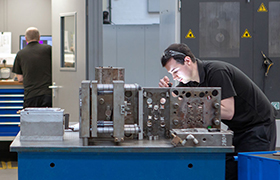
Where durability is critical, prototypes, samples and production trials can help confirm fit, function and performance before full production. Rutland Plastics can support design and prototype stages as well as production.
Build durability into the design from the start
Rutland Plastics can help review materials, wall thickness, ribs, fixing points and moulding requirements for durable production parts.
FAQs – Durability of Injection Moulded Parts
They can be very strong when designed with the right material, geometry and process control.
Poor material choice, sharp corners, thin sections, UV, chemicals, heat, impact or poor tooling can reduce durability.
Yes. Fillers, UV stabilisers, flame retardants and other additives can improve specific performance.
Yes. Wall thickness affects strength, cooling, shrinkage and defect risk.
Yes. The team can support material choice, DFM and production planning.
