



How Much Does Injection Moulding Cost per Part in the UK?
A unit-cost guide for teams planning repeat production of plastic injection moulded components.
Injection moulding cost per part depends on material, shot weight, machine time, cycle time, labour, scrap, quality checks, finishing and production volume. The tool is the upfront cost, while unit cost normally reduces as more parts are produced.
Introduction
A unit-cost guide for teams planning repeat production of plastic injection moulded components.
Unit cost is different from total project cost
The total project cost includes tooling, setup and production. Cost per part is the unit manufacturing cost once production is running. A project can have a high initial tooling cost but a low unit cost at volume.
What drives cost per part
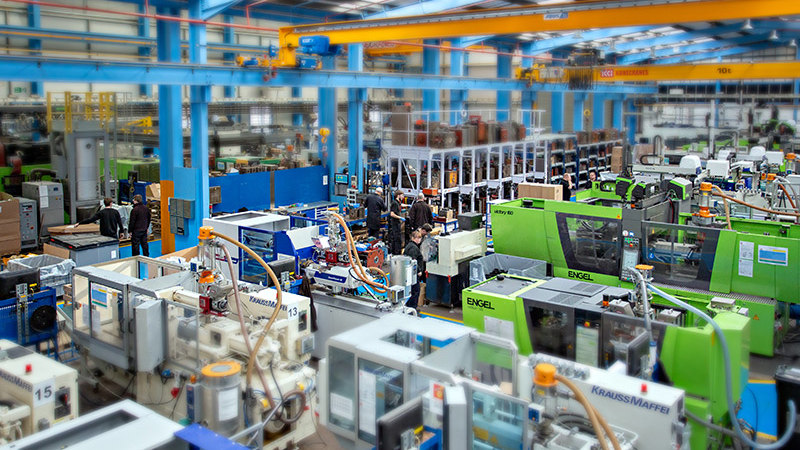
Material price, shot weight, machine time, cycle time, energy use, labour, quality inspection, scrap, finishing and packaging all affect unit cost. Larger parts or engineering materials usually cost more than small simple parts in common polymers.
Why volume matters
Higher production volumes spread setup time and tooling investment across more parts. This is why injection moulding is usually strongest when the design is stable and repeat production is required.
How design affects unit cost
Part design can influence material use, cycle time, tool complexity and defect risk. Design for manufacture can reduce unnecessary wall thickness, simplify geometry and improve moulding efficiency.
Advantages of Low Per-Part Costs
Materials and Their Influence on Cost
- Polypropylene (PP) – One Of The Most Affordable Resins, Used Widely In Consumer And Automotive Products.
- ABS – Slightly More Expensive, But Tough And Durable.
- Polycarbonate (PC) – Higher Cost, But Offers Transparency And Impact Resistance.
- Nylon (PA) – Used For Mechanical Strength But Adds To Per-unit Price.
- Specialist Resins – Flame-retardant Or Medical-grade Plastics Increase Costs.
Practical Example
A small plastic clip weighing just a few grams may cost only £0.01–£0.10 per part in large volumes. In contrast, a large component with more complex geometry could cost well over £10 per part, depending on material and order size.
Conclusion
The cost per part in UK injection moulding depends on multiple factors, but the process is one of the most economical methods for producing plastic components at volume. With transparent costings and expert guidance, Rutland Plastics helps businesses achieve excellent value from every production run.
FAQs – Injection Moulding Cost Per Part
It is the manufacturing cost for each moulded component once production is running.
Tooling and setup costs are spread across more units, and production becomes more efficient.
CAD data, drawings, material, volumes, quality needs and finishing requirements are useful.
No. Quality, tooling, reliability and total project cost matter as well.
Yes. Good design can reduce material use, cycle time and defect risk.
