



What Is the Minimum Order for Plastic Injection Moulding in the UK?
A practical guide to MOQ, production volume and when injection moulding becomes commercially sensible.
Minimum order quantity for plastic injection moulding varies by supplier, part complexity, material, setup time, tooling investment and commercial viability. The key question is not only MOQ, but whether the production volume justifies the tooling and setup route.
Introduction
A practical guide to MOQ, production volume and when injection moulding becomes commercially sensible.
MOQ is a commercial and technical question
Minimum order quantity depends on the cost of setup, material, machine time, tool requirements and commercial viability. For injection moulding, the more important question is often whether the required volume justifies tooling and repeat production.
Tooling changes the economics
Minimum order quantity depends on the cost of setup, material, machine time, tool requirements and commercial viability. For injection moulding, the more important question is often whether the required volume justifies tooling and repeat production.
Tooling changes the economics
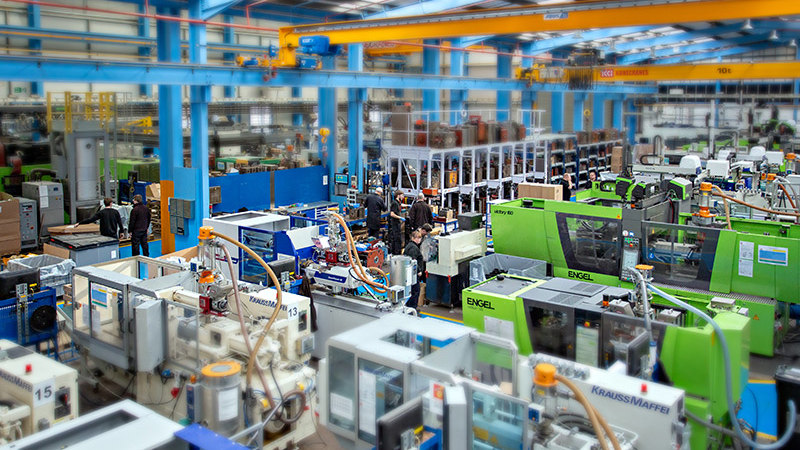
Because injection moulding usually requires a mould tool, very small quantities can be expensive unless prototype tooling or an existing tool is available. Higher quantities spread the tooling and setup costs across more parts.
Different routes for different stages
Early-stage projects may benefit from 3D printing or prototyping before production tooling. Existing tools may allow lower-risk production transfer. Repeat demand may justify a full production tool.
What information is needed
Rutland Plastics will need estimated annual volume, part drawings, material choice, quality requirements and any assembly or finishing needs. This helps assess whether injection moulding is commercially sensible.
Find the right route for your order size
Rutland Plastics can advise whether your project suits prototyping, trial production, tool transfer or repeat injection moulding.

FAQs – Minimum Orders for Injection Moulding
No. MOQ varies by supplier, setup, material, tool and commercial viability.
Tooling and setup costs can make very low volumes expensive.
Yes. 3D printing and prototypes can help validate the design before production.
Sometimes. Existing tool projects can be assessed for production transfer.
Share annual volume, drawings, material and project requirements with Rutland Plastics for review.
