



What Is the Typical Lifespan of an Injection Moulded Product?
A practical guide to how long plastic parts can last and how design choices affect service life.
The lifespan of an injection moulded product depends on material, part design, environment, load, UV exposure, chemical exposure, maintenance and how the product is used. Some parts are designed for short service life, while engineering components can last many years when specified correctly.
Introduction
A practical guide to how long plastic parts can last and how design choices affect service life.
There is no universal lifespan
The lifespan of an injection moulded product depends on what it is designed to do. A disposable packaging component may have a short intended life, while an engineering part may be expected to last for years in service.
Main factors that affect lifespan
Material choice, wall thickness, load, temperature, UV exposure, chemicals, cleaning methods, impact, fatigue and assembly conditions all influence service life. The surrounding product design can also affect how the moulded component performs.
Designing for long-term use
Longer-life products need appropriate material specification, sensible tolerances, strong features, rounded corners, good fixing design and proper consideration of creep, wear and environmental exposure.
Manufacturing consistency supports lifespan
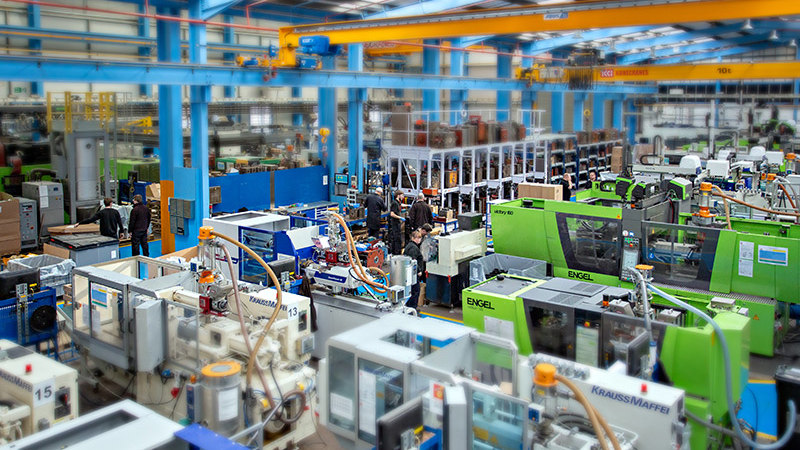
Repeatability matters when parts are used over a long period. Rutland Plastics supports quality through controlled processes, inspection equipment, ERP traceability and ISO-certified management systems.
Plan performance before tooling
The best time to plan lifespan is before the mould tool is made. Rutland Plastics can review material, part geometry, testing needs and production controls before tooling investment begins.
Design moulded parts around real-world use
Rutland Plastics can support material selection, DFM and quality planning for parts that need consistent long-term performance.
FAQs – Lifespan of Injection Moulded Products
It depends on material, design, environment and usage. Some last months; others can last many years.
Yes, with suitable material and additives such as UV stabilisation where appropriate.
Yes. Consistent moulding and inspection support reliable performance across batches.
Yes. Service-life requirements should guide material, design and tool decisions.
Yes. The team can advise based on application, material and production requirements.
