



How Is Injection Moulding Used in the Medical Industry?
The medical industry uses injection moulding to manufacture precise, repeatable plastic components for medical devices, diagnostics, laboratory equipment and healthcare products. The process can support complex geometries and high production volumes, but medical projects also require controlled materials, documented quality procedures, traceability, validated processes and careful management of contamination and change.
What medical components can be injection moulded?
Applications can include device housings, diagnostic equipment parts, connectors, caps, closures, handles, internal mechanisms and components that later form part of a larger assembly. The exact manufacturing process controls depend on how the part will be used, whether it contacts a patient or fluid, and the regulatory requirements of the finished device.
Why is injection moulding suitable for medical devices?
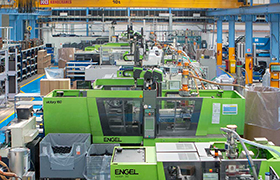
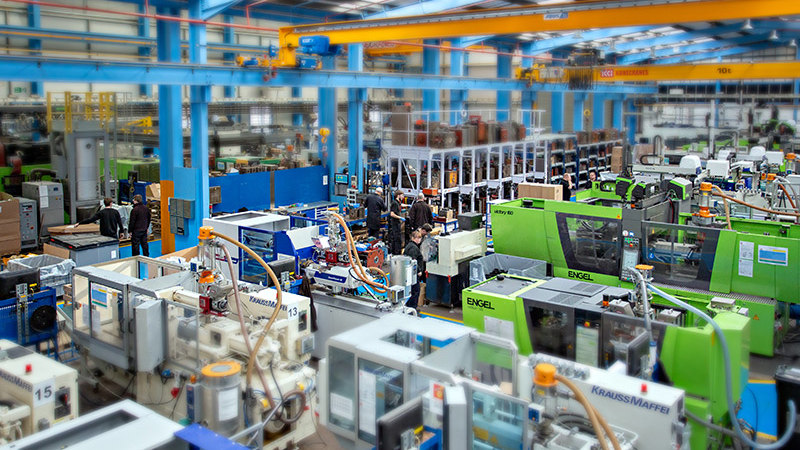
A well-designed tool and validated process can repeatedly create detailed components with controlled dimensions and finish. This supports assembly, sealing and functional consistency. Injection moulding is capable of manufacturing large quantities of parts where demand is established, while automation can reduce manual handling.
How are medical-grade materials selected?
Material selection starts with the device requirement, not a generic list of “medical plastics”. Engineers may need to consider biocompatibility, sterilisation method, chemical exposure, operating temperature, transparency, impact strength, dimensional stability and regulatory documentation. Rutland Plastics’ medical plastics expertise supports these early decisions, while its broader polymer applications explains material applications.
What does ISO 13485 mean for injection moulding?
ISO 13485 provides a quality-management framework for organisations involved in medical devices. It supports documented controls, risk-based processes, traceability and consistent manufacture. Certification does not automatically approve a particular component; the product owner remains responsible for applicable regulatory requirements, and each project needs its own agreed specifications and validation. See Rutland Plastics’ quality standards and controls.
How are tooling and processes validated?
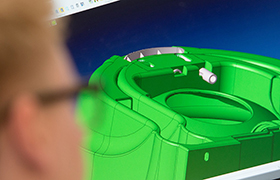
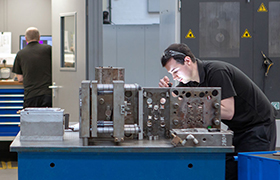
The route normally includes design review, tool specification and manufacture, trial moulding, measurement, process definition and approval against agreed requirements. Critical dimensions and appearance standards should be clear before production. Change control is important because an apparently small alteration to a material, tool or processing condition can affect the finished component.
Can medical parts be assembled after moulding?
Yes. Depending on the design, components may require machining, ultrasonic welding, gluing, heat staking, printing or multi-component assembly. Rutland Plastics provides these additional manufacturing services, helping reduce transfers between suppliers and maintain clearer production control.
How should a medical moulding project begin?
Begin with intended use, forecast volumes, CAD data, material requirements, critical-to-quality features, regulatory constraints, sterilisation method (if required) and assembly needs. Early design for manufacture support and project management process can align the component, tool and validation plan before major investment. To discuss a confidential medical project, speak to the Rutland Plastics team.
FAQs – Mould Tool Design and Product Quality
Materials vary by device and may include grades of polypropylene, polyethylene, polycarbonate, ABS, acetal or engineering polymers. The grade must be selected and documented for the specific application.
No. ISO 13485 concerns the quality management system. Device approval and regulatory compliance depend on the finished product, intended use, jurisdiction, evidence and responsible legal manufacturer.
Some can, but the polymer and design must be compatible with the intended method, such as steam, radiation or chemical sterilisation. Compatibility must be verified for the actual grade and conditions.
Traceability helps link finished components to materials, production records, inspections and changes, supporting investigation and controlled quality management.
