



What Thermoplastics Can Be Used for Injection Moulding?
Common thermoplastics used for injection moulding include polypropylene, polyethylene, ABS, polystyrene, polycarbonate, nylon, acetal, polyester, acrylic, PVC and thermoplastic elastomers. Higher-performance applications may use materials such as PBT, PPS, PEI or PEEK. The correct polymer depends on mechanical loads, temperature, chemicals, appearance, regulation, processing and cost.
Commodity thermoplastics
These widely used materials can provide economical performance for many products and include:
- Polypropylene (PP): low density, good fatigue and chemical resistance. Often used for hinges, housings and containers
- Polyethylene (PE): tough, moisture-resistant. Available in different densities for caps, fittings and industrial parts
- Polystyrene (PS): rigid and easy to process. Different grades suited to clear or general-purpose components
- PVC: available in rigid and flexible forms. Used where chemical resistance, durability or specific fire behaviour is required
Engineering thermoplastics
Engineering polymers are selected where strength, dimensional control, impact, wear or temperature performance is more demanding and include:
- ABS: balanced toughness, appearance and processability for housings and automotive components
- Polycarbonate (PC): high impact strength and transparency in suitable grades
- Polyamide or nylon (PA): strength and wear resistance, with moisture absorption considered in design
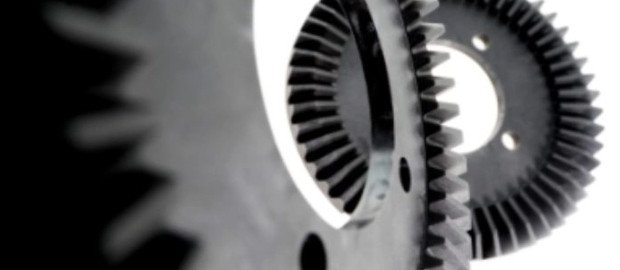
- Acetal (POM): low friction and dimensional stability for gears and mechanisms
- PBT and PET: good electrical and dimensional properties for technical components
- Acrylic (PMMA): optical clarity, colour and weathering performance for visible parts
Flexible thermoplastics
Thermoplastic elastomers, including TPE and TPU families, can provide soft-touch surfaces, flexibility, grip, sealing or impact protection. They may be moulded alone or used in overmoulded constructions, provided the substrate, bond, tool and process are compatible.
High-performance thermoplastics
PPS, PEI, PEEK and related polymers can withstand more demanding thermal, chemical or mechanical conditions. They generally have a higher material cost and require specialist processing, careful tool design and appropriately equipped machinery.
Filled, reinforced and modified grades
Glass fibre, carbon fibre, mineral fillers, impact modifiers, flame retardants, UV stabilisers, lubricants and colour masterbatch can alter performance. These additions also affect shrinkage, flow, surface finish, wear on the tool and recyclability. Rutland Plastics has a wealth of knowledge and decades of experience in polymer applications, including filled and reprocessed materials where appropriate.
How do you select the right thermoplastic?
Start with product operating temperature, load, impact, chemical exposure, dimensional stability, moisture, electrical behaviour, outdoor exposure, colour, surface finish, compliance and target cost. Then assess mouldability: flow length, wall thickness, shrinkage, drying, gate design and cycle time. Rutland Plastics combines design for manufacture support and plastic injection moulding experience to connect material choice with production reality.
Why grade-level advice matters
For example, “Nylon” or “polycarbonate” describes a family, not a complete specification. Different grades can vary in viscosity, reinforcement, additives, approval status and performance. Final selection should be confirmed against supplier data sheet, testing and the intended application. For help reviewing a material and component, speak to the Rutland Plastics team.
FAQs
Polypropylene and polyethylene are among the most widely processed globally, but the most suitable material depends on the component requirement.
Many can, but processing temperatures, viscosity, degradation risk, drying, tooling and machine capability vary. Not every grade is suitable for every moulding setup.
High-temperature options can include PEEK, PEI, PPS and specialist nylons, but chemical exposure, load, duration, cost and processing must also be assessed.
Yes, through multi-material or overmoulding processes when the materials, adhesion, shrinkage and processing temperatures are compatible.
