



Why Use Injection Moulding?
Injection moulding is used when you need efficient, repeatable production of plastic components to a consistent quality. It can combine complex features in one part, process a wide range of polymers and reduce unit cost as volume grows. The justification to use this process is strongest when the product design is stable and the expected production quantity justifies a purpose-built mould tool.
Use it for repeatable, quality part production
A quality mould tool creates the same cavity geometry on every cycle, while controlled processing supports consistent dimensions, weight and finish. This makes injection moulding appropriate for parts that must assemble reliably or meet an agreed appearance and quality standard. Rutland Plastics supports production with established quality standards and controls.
Use it to scale production
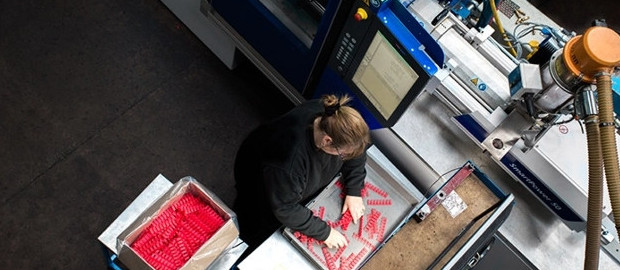
Once tooling and settings are approved, the moulding machine can repeat the cycle efficiently. Multi-cavity tools and automation may increase output further. A proven process enables a product company to move from initial production into sustained supply without changing the fundamental manufacturing method.
Use it to integrate component features
Ribs, bosses, clips, hinges, textures, logos and fixing features may be included in the component design and mould tool. Insert moulding can incorporate prepared metal items, and thoughtful part consolidation may reduce separate components or assembly labour. These benefits depend on early design for manufacture support rather than adding complexity after tooling begins.
Use it for material flexibility
Thermoplastics can be selected for rigidity, impact strength, chemical resistance, temperature performance, electrical behaviour, colour or surface quality. Filled and reinforced grades extend the available properties. The knowledge bank has a wealth of information about different thermoplastics. It's critical to confirm the actual grade against the application, not a generic material name, before manufacture
Use it for small or very large technical parts
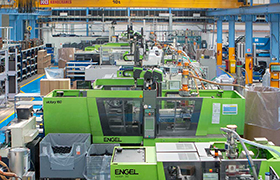
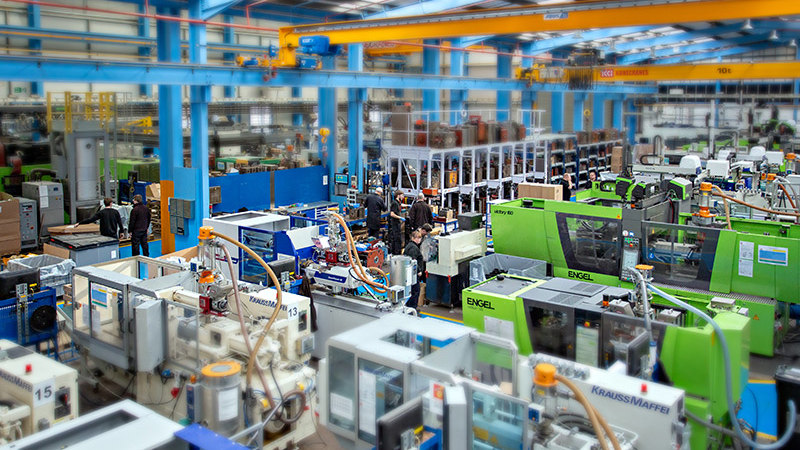
Injection moulding is not limited to small consumer items. Rutland Plastics has machinery and experience covering parts from around 1 gram to large mouldings up to 48 kg and approximately 1.7 metres in size. Its plastic injection moulding services includes large-part, thick-section and other specialist processes.
Use one partner from concept to assembly
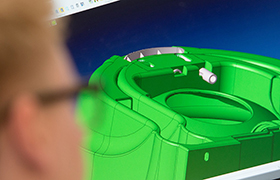
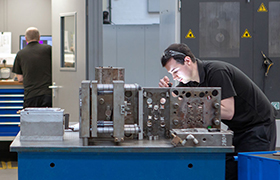
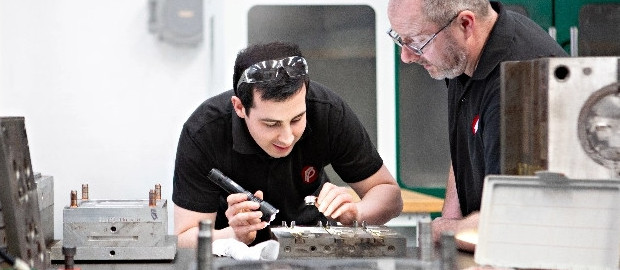
The process becomes easier to manage when design, prototyping, tooling, moulding and finishing are provided by one supplier. Rutland Plastics combines 3D printing and prototyping, in-house injection mould tool services and additional manufacturing services so customers can progress from CAD review to packaged assemblies with clear technical responsibility and end-to-end service.
When should you not use injection moulding?
It may not be the right route for one-off parts, uncertain designs or very small quantities where tooling cannot be justified, changing requirements can also favour machining or additive manufacture. Compare expected lifetime cost, lead time and required performance before choosing.
How to decide
Provide CAD data, material needs, annual volume, lifetime demand, tolerances, appearance requirements and assembly information. A technical review can then compare tool construction, machine size, cycle time and alternatives. Review Rutland Plastics’ injection moulding case studies or speak to the Rutland Plastics team for a project-specific discussion.

FAQs
There is no fixed threshold. Part size, tool complexity, unit value, production life and alternative processes all affect the break-even point.
Injection moulding generally offers faster repeat cycles, broader production-grade material options and lower unit cost at scale; 3D printing is often better for prototypes and small quantities.
Moulding can form detailed geometry repeatedly with less material removal, while machining avoids tooling and may suit low volumes.
Yes. Tool polish, texture, colour, gate location and process control can create consistent aesthetic surfaces, subject to material and design constraints.
